

Les différents types d’or : L’or aux multiples couleurs
Les différents types d’or. L’or se décline en différentes variétés aux propriétés distinctes. De l’or pur 24 carats aux alliages colorés comme l’or jaune, l’or blanc ou l’or rose, le métal jaune, la composition de l’or et son titre en carats déterminent ses caractéristiques, son prix et ses usages.
Les différents types d’or : L’or fin ou pur
L’or fin, aussi appelé or pur ou or 24 carats, représente la forme la plus noble de ce métal précieux avec une pureté de 99,9%. Sa valeur et ses propriétés uniques en font un choix privilégié pour l’investissement en or boursable.
Caractéristiques physiques de l’or pur
L’or pur se distingue par sa couleur jaune intense caractéristique et sa densité élevée de 19,3 g/cm³. Sa malléabilité exceptionnelle permet de le transformer en feuilles extrêmement fines, un gramme d’or peut être étiré sur plusieurs kilomètres. Il fond à 1064°C et résiste naturellement à l’oxydation. Ces propriétés remarquables font de l’or pur un métal très recherché pour les lingots et pièces d’investissement.
Applications et usages
En bijouterie, l’or 24 carats reste peu utilisé en raison de sa trop grande mollesse. Toutefois, l’or pur trouve son utilité principale dans la fabrication de lingots et pièces d’investissement, où sa pureté maximale garantit sa grande valeur.
Prix et cotation en 2024
Le 04 décembre 2024, le lingot d’or est coté à 81 170€. Pour l’achat de lingots et pièces d’or boursables, nos experts proposent des tarifs compétitifs toute l’année. Chaque lingot et pièce en or pur vendu par nos soins est accompagné d’un certificat d’authenticité détaillant son poids exact et sa pureté.
Les différents types d’or : La classification en carats de l’or
Les différents types d’or. Le système de caratage permet d’évaluer la proportion d’or pur dans les alliages utilisés en bijouterie et joaillerie. Cette mesure standardisée aide nos experts à déterminer précisément la valeur des pièces lors des transactions d’achat d’or et de rachat d’or.
Les différents caratages et leur composition
L’or se décline en plusieurs niveaux de pureté, exprimés en carats. Chaque carat représente 1/24ème d’or pur, soit environ 4,17%. Nos experts distinguent principalement :
- Or 18 carats (750/1000) : 75% d’or pur + 25% d’alliage
- Or 14 carats (585/1000) : 58,3% d’or pur + 41,7% d’alliage
- Or 9 carats (375/1000) : 37,5% d’or pur + 62,5% d’alliage
Poinçons et garanties
Les poinçons apposés sur les bijoux garantissent leur teneur en or. En France, chaque type d’or possède son poinçon distinctif :
- Or 18 carats : tête d’aigle
- Or 14 carats : tête de cheval
- Or 9 carats : trèfle à trois feuilles
L’or jaune : une teinte chaleureuse et intemporelle
Les différents types d’or. L’or jaune est la forme la plus traditionnelle et naturelle de ce métal précieux, reconnaissable par sa teinte caractéristique qui évoque le prestige.
Composition et fabrication de l’or jaune
La fabrication de l’or jaune repose sur un dosage minutieux entre l’or pur et d’autres métaux. Pour obtenir de l’or jaune 18 carats, nos artisans utilisent 75% d’or pur, associé à 12,5% de cuivre et 12,5% d’argent. Cette composition permet d’obtenir la teinte dorée caractéristique tout en renforçant la résistance mécanique du métal. Le processus de fabrication comprend la fonte des métaux à haute température, suivie d’un refroidissement contrôlé pour garantir l’homogénéité de l’alliage.
Propriétés physiques et résistance
L’or jaune 18 carats a une excellente résistance à l’oxydation grâce à sa teneur élevée en or pur. Sa dureté, améliorée par l’ajout de cuivre, lui permet de résister aux rayures et aux déformations du quotidien.
Entretien et conservation
Pour préserver l’éclat de vos bijoux en or jaune, nos experts recommandent un nettoyage régulier à l’eau tiède savonneuse. Un polissage professionnel annuel peut raviver la brillance naturelle de vos pièces. L’or jaune ne nécessite pas de traitement de surface particulier, contrairement à l’or blanc qui demande un replaquage périodique au rhodium.
Tendances du marché 2024
En 2024, le marché de l’or jaune reste dynamique avec des prix en forte hausse. En effet, le cours de l’or connaît une augmentation spectaculaire à près de +30% sur l’année 2024. Chez Abacor, nous rachetons actuellement les bijoux en or jaune 18 carats à partir de 80€/g pour les pièces d’occasion, tandis que l’or destiné à la fonte est racheté jusqu’à 55€/g. Ces tarifs reflètent la solidité du marché de l’or physique et l’attrait constant des investisseurs pour ce métal précieux.
L’or blanc et l’or gris : un éclat lumineux et résistant
Les différents types d’or. L’or blanc et l’or gris sont deux variantes distinctes des alliages d’or, chacune possédant des caractéristiques qui les rendent adaptées à des usages différents en bijouterie.
Composition et fabrication
L’or blanc 18 carats contient 75% d’or pur associé à 25% de métaux blancs comme le palladium ou l’argent. Sa teinte caractéristique nécessite un plaquage au rhodium qui lui confère son éclat lumineux. L’or gris, quant à lui, incorpore une proportion plus importante de nickel ou de palladium dans sa composition, lui donnant naturellement une couleur grisée sans besoin de plaquage.
Différences techniques et esthétiques
Le plaquage rhodium constitue la principale distinction entre ces deux types d’or. Cette couche protectrice appliquée sur l’or blanc doit être renouvelée périodiquement, tous les 12 à 24 mois selon l’utilisation. L’or gris ne nécessite pas ce traitement car sa teinte provient directement de sa composition.
Entretien et conservation
Pour préserver l’éclat de vos bijoux en or blanc ou gris, nos experts préconisent un nettoyage régulier à l’aide d’un chiffon doux et d’eau savonneuse tiède. Un stockage dans des compartiments séparés permet d’éviter les rayures. Pour l’or blanc, prévoyez un replaquage rhodium dès que la teinte commence à jaunir.
L’or rose : une nuance moderne et romantique
Les différents types d’or. L’or rose séduit de plus en plus d’acheteurs par sa teinte délicate aux reflets cuivrés qui lui confère une apparence romantique très recherchée. Cette variante de l’or connaît un succès croissant sur le marché de la bijouterie, notamment pour les alliances et bijoux de fiançailles.
Composition et fabrication de l’or rose
L’or rose résulte d’un alliage minutieux entre l’or pur et le cuivre, parfois complété par une petite quantité d’argent. Pour obtenir de l’or rose 18 carats, nos experts utilisent 75% d’or fin, associé à 22,25% de cuivre et 2,75% d’argent. La proportion de cuivre détermine l’intensité de la teinte rosée : plus sa concentration augmente, plus la nuance tire vers le rouge.
Les différents types d’or rose
Le pourcentage de cuivre permet d’obtenir plusieurs variations de couleur :
- Or rose pâle : 14,5% de cuivre
- Or rose : 22,25% de cuivre
- Or rouge : jusqu’à 35% de cuivre
Résistance et durabilité
L’ajout de cuivre renforce considérablement la dureté de l’alliage. L’or rose présente ainsi une excellente résistance aux rayures et à l’usure quotidienne. Contrairement à l’or blanc qui nécessite un replaquage régulier au rhodium, l’or rose conserve naturellement sa couleur au fil du temps.
Les différents types d’or : Les formes d’investissement en or physique
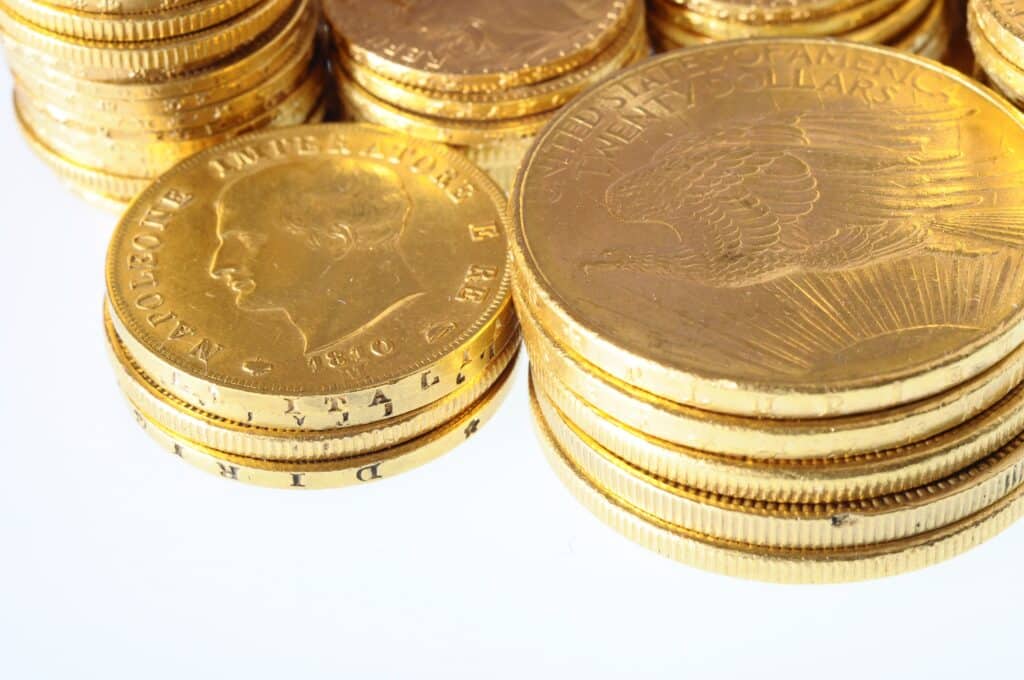
Les pièces d’or
Chez Abacor, nos experts recommandent particulièrement l’achat de pièces d’or pour sa grande liquidité et son attrait historique. En effet, les pièces d’or allient la valeur intrinsèque du métal précieux à un intérêt numismatique potentiel.
Nos conseillers vous guideront dans le choix des pièces les plus adaptées à votre stratégie d’investissement, qu’il s’agisse de Napoléons, de Souverains britanniques ou de Krugerrands sud-africains. L’expertise Abacor vous permet d’acquérir ces pièces en toute confiance, avec la garantie d’une authenticité vérifiée et d’un cours actualisé en temps réel.
Les lingots d’or
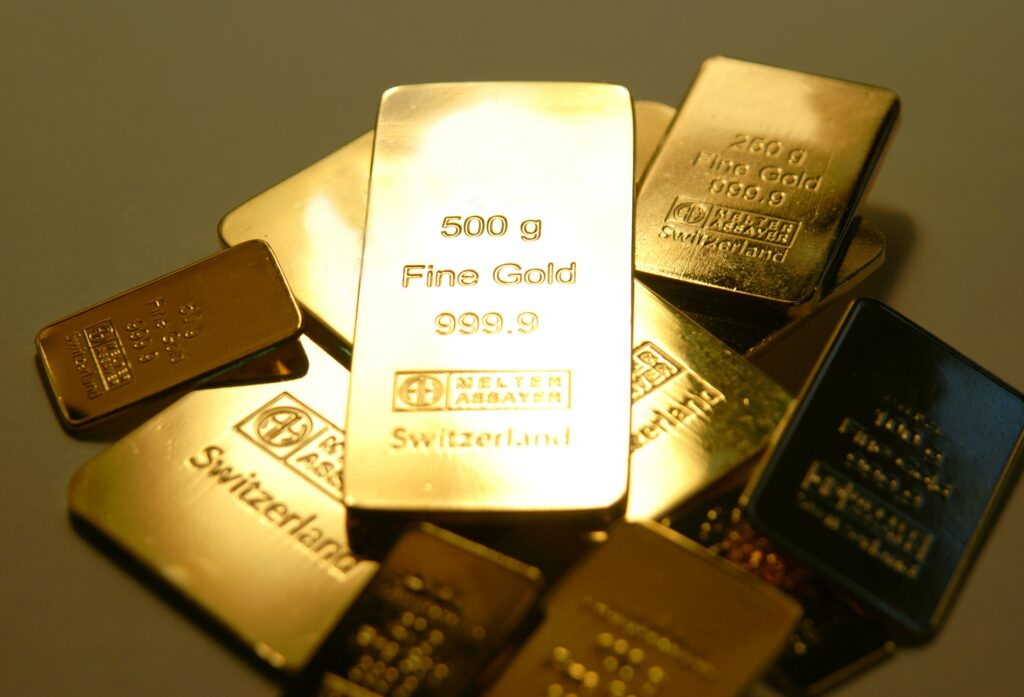
Comment acheter de l’or ? Pour ceux qui souhaitent investir dans l’or des sommes plus conséquentes, les lingots d’or sont la solution idéale. Chez Abacor, nous proposons une gamme complète de lingots, de 5 grammes à 1 kilogramme, pour répondre à tous les objectifs d’investissement.
Nous soulignons les avantages des lingots de grande taille, notamment ceux d’un kilogramme. Ces derniers ont, en effet, un excellent rapport qualité-prix, avec des frais de fabrication proportionnellement plus faibles que les lingots plus légers. Que vous choisissiez un lingot de 20g ou de 1kg, vous bénéficierez de notre service de livraison sécurisée, ou de la possibilité de retrait en agence.
Le rachat d’or
Le rachat d’or doit aussi être considéré dans votre stratégie patrimoniale. Nos experts Abacor vous proposent des conditions de rachat particulièrement avantageuses, que ce soit pour vos pièces, vos lingots ou vos bijoux en or de tout alliage.
Nos tarifs de rachat sont parmi les plus compétitifs du marché, avec des frais de courtage réduits à 1% pour les pièces et les lingots. Pour vos bijoux en or 18 carats, nous proposons jusqu’à 80€/g pour les bijoux d’occasion et jusqu’à 55€/g pour l’or destiné à la fonte. Profitez dès à présent de notre expertise de près de 30 ans pour une estimation gratuite et un paiement instantané.
Le prix de l’or et les tendances du marché
La valeur de l’or physique évolue quotidiennement sur les marchés internationaux, influençant directement les prix pratiqués pour le rachat et la vente d’or. La compréhension des mécanismes de fixation des prix permet aux investisseurs de prendre les meilleures décisions possibles.
Les variations du cours de l’or selon sa pureté
Le cours de l’or varie en fonction de sa pureté, mesurée en carats. L’or 24 carats, affichant une pureté de 99,9%, est considéré comme la référence sur le marché. Les autres types d’or, comme l’or 18 carats (75% de pureté) ou l’or 14 carats (58,3% de pureté), se négocient à des prix inférieurs en raison de leur teneur réduite en or pur. Cette différence de pureté influence le prix au gramme ainsi que la demande et l’utilisation dans les bijoux, les investissements et les applications industrielles.
Les tendances du marché en 2024
Le marché de l’or physique continue d’afficher une tendance à la hausse depuis le début de l’année 2024, témoignant d’un intérêt croissant pour les lingots et pièces d’or jaune. Ces formes d’or, en tant que valeurs tangibles, sont particulièrement prisées par les investisseurs cherchant à sécuriser leur patrimoine. Cette popularité s’explique par la capacité de l’or à servir de valeur refuge face aux incertitudes économiques et géopolitiques, attirant ainsi une clientèle variée allant des investisseurs individuels aux grandes institutions financières.
Les transactions sur le marché de l’or s’ajustent constamment aux fluctuations quotidiennes du cours du métal précieux. Chez Abacor, le processus de rachat d’or est le plus compétitif avec des frais de courtage réduits de 1% pour la vente des pièces et lingots d’or boursables.
Vous devez être connecté pour poster un commentaire.